

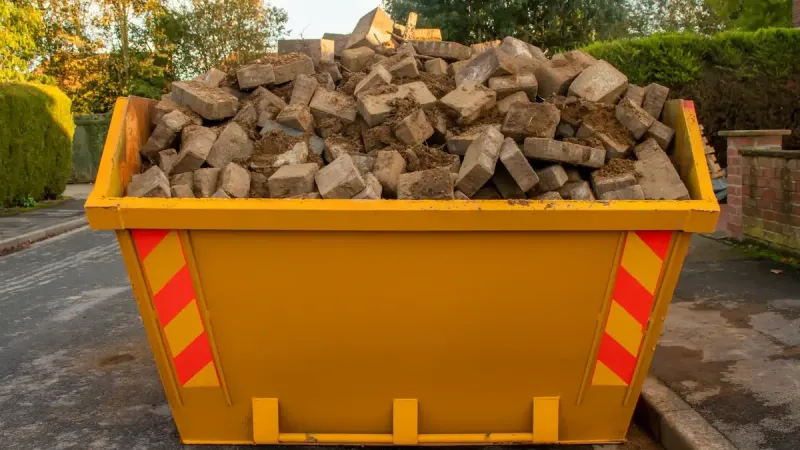
Renting a roll-off dumpster lets you manage waste from renovations, construction, and cleaning projects. Knowing what materials can go into mixed-waste dumpsters before hiring a dumpster rental service helps prevent delays and incorrect disposal. Here are a few materials that must be separated from mixed waste in dumpsters:
Appliances and Automotive Items
With a dumpster rental service, you separate automotive items from mixed waste. Separate automotive items, such as car batteries and motor oil, to prevent leaks and contamination. They can also release fumes, such as methane, into the air when not handled properly. You can dispose of automotive items by sealing them with appropriate materials or by taking them to facilities equipped to handle that type of waste.
Mixed-waste dumpsters do not accept appliances such as refrigerators or fluorescent tubes because of the refrigerants they contain. Fluorescent lighting tubes must also be disposed of separately due to the mercury vapor they contain. Older appliances and electronics may contain mercury, lead, or other materials that require special handling, making it more difficult to salvage recyclable components. Removing these appliances and electronics from mixed waste in dumpsters helps prevent contaminants from spreading.
Chemicals and Liquids
Chemical waste may include liquids such as gasoline, solvents, and antifreeze, which can damage rental roll-off dumpsters. They may cause chemical reactions that result in spills, fires, or explosions if not disposed of properly, and when mixed with other chemicals. Homeowners should separate these chemicals and liquids from mixed waste to reduce the likelihood of damage to roll-off dumpsters or accidental fires.
Tanks and Cylinders
Keep propane tanks and fuel cylinders separate from mixed waste to avoid leaving flammable or volatile materials in dumpsters. An unseen gas leak can create a risk when someone compresses or compacts the dumpster contents. Tenants using fuel cylinders, such as those used for camping, can use containers designed for such purposes, including certified hazardous waste containers or appropriate landfill sites that accept pressurized vessels. Tanks and cylinders should be disposed of separately to avoid accidents.
Hospital Waste and Radioactive Materials
Medical and biohazardous waste must be disposed of separately from mixed waste dumpsters to protect sanitation workers and avoid the spread of disease. Items such as contaminated bandages, drugs, or radioactive equipment pose exposure risks. They may also need to be handled in accordance with national laws and safety precautions governing infectious or radioactive materials. Treatment or incineration of these materials occurs in controlled facilities designed to limit contact with people, wildlife, and the environment.
Discover Dumpster Rental Today
Separating restricted waste from mixed-load dumpsters reduces construction delays associated with re-sorting and landfill acceptance issues. Depending on the waste you have, you can find a roll-off dumpster type designated for that material. This process may start with sorting everything by weight and content beforehand. Dumpster firms also provide guidance to help contractors and remodelers. They choose the right roll-off size and waste stream for their project. Contact a dumpster rental service to learn about their waste disposal guidelines and accepted materials.
- How Hiring a Local Plumber Transforms Your Plumbing Woes
- How Hiring a Local Plumber Transforms Your Home Maintenance
- How Hiring a Local Plumber Transforms Your Home Maintenance
- Enterprise Search System vs Manual Data Retrieval: Which Enhances Productivity?
- Homeowners: What to Look for in a Trustworthy Plumber Near Me

