

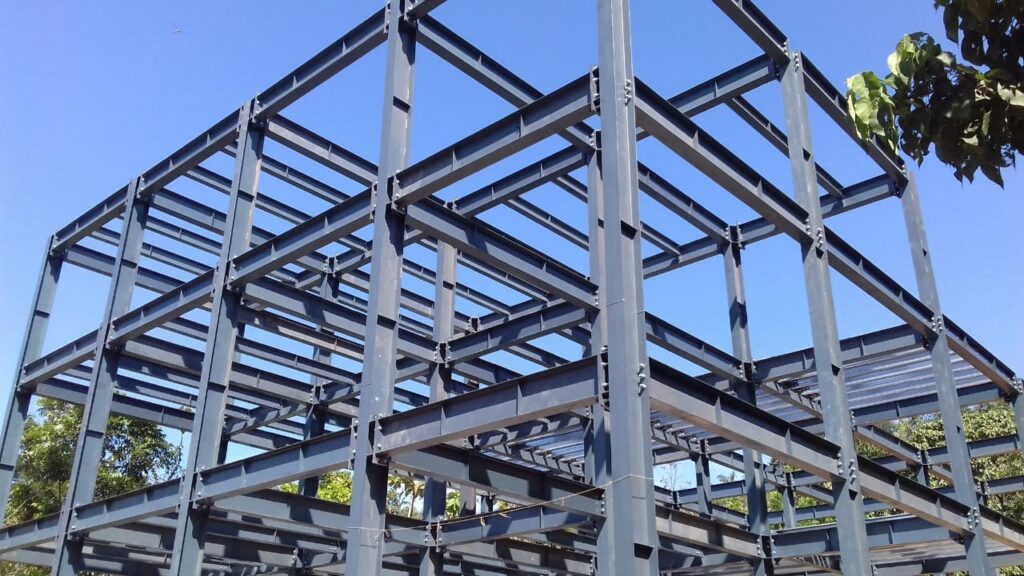
Metal materials play a foundational role in modern industry, infrastructure, and even home furnishings. From structural frameworks and manufacturing equipment to decorative accents and functional fittings, metals are selected not only for their strength but also for durability, corrosion resistance, and long-term performance. As industries evolve and design standards rise, the demand for advanced metal alloys and precision-engineered materials continues to grow.
This article explores key metal materials used across industrial and interior environments, focusing on stainless steel and nickel-based alloys—two categories known for reliability, versatility, and performance under demanding conditions.
The Importance of Material Selection in Metal Applications
Choosing the right metal is not a matter of aesthetics alone. Engineers, architects, and fabricators must evaluate several technical factors before finalizing a material, including:
- Mechanical strength and load-bearing capacity
- Resistance to corrosion, heat, and chemicals
- Fabrication and welding characteristics
- Surface finish and maintenance requirements
- Lifecycle cost and sustainability
Incorrect material selection can lead to premature failure, excessive maintenance costs, or compromised safety. This is why industries rely on proven metal grades with well-documented performance records.
Stainless Steel: A Cornerstone Material Across Industries
Stainless steel is one of the most widely used metal materials due to its exceptional balance of strength, corrosion resistance, and visual appeal. Its chromium content forms a passive oxide layer on the surface, protecting the metal from rust and oxidation even in harsh environments.
In industrial settings, stainless steel is commonly used in pipelines, processing equipment, storage tanks, and structural supports. These applications often require consistent material quality, making reliable stainless steel pipe suppliers an essential part of industrial supply chains. High-grade stainless steel pipes are particularly valued in sectors such as chemical processing, food production, water systems, and energy infrastructure.
Beyond heavy industry, stainless steel is equally prominent in home furnishings and architectural design. Stair railings, kitchen fixtures, door hardware, furniture frames, and decorative panels benefit from stainless steel’s clean appearance and low maintenance requirements. Its ability to retain a polished or brushed finish over time makes it suitable for both functional and aesthetic purposes.
Grades and Properties of Stainless Steel
Stainless steel is available in multiple grades, each tailored to specific performance needs. Austenitic grades such as 304 and 316 are known for excellent corrosion resistance and formability, while ferritic and martensitic grades offer enhanced strength or magnetic properties.
For interior applications, visual consistency and surface finish are often prioritized. In contrast, industrial environments may require enhanced resistance to high temperatures, pressure, or aggressive chemicals. Understanding these differences helps ensure the material performs reliably throughout its service life.
Nickel Alloys and Their Role in High-Performance Environments
While stainless steel covers a wide range of applications, certain environments demand materials with even higher performance thresholds. Nickel-based alloys are engineered to withstand extreme heat, mechanical stress, and corrosive conditions where conventional steels may fail.
One commonly used form is performance nickel alloy wire, which is valued for its stability, conductivity, and resistance to oxidation. This material is frequently used in aerospace components, electrical systems, heating elements, fasteners, and specialized industrial assemblies.
Nickel alloys maintain their mechanical integrity at elevated temperatures, making them suitable for turbines, exhaust systems, and thermal processing equipment. Their resistance to chemical degradation also supports use in oil and gas operations, marine environments, and chemical manufacturing.
Applications in Home Furnishings and Design
Although nickel alloys are primarily associated with industrial performance, they also appear in high-end interior applications where durability and precision are required. Specialty fasteners, concealed structural supports, and custom metal components often rely on nickel-based materials to ensure long-term reliability without compromising design intent.
In modern home furnishings, metal elements are increasingly exposed rather than hidden. This trend places greater emphasis on material quality, surface uniformity, and resistance to environmental factors such as humidity and temperature variation. Both stainless steel and nickel alloys meet these demands when correctly specified.
Sustainability and Longevity of Metal Materials
Another advantage of advanced metal materials is their sustainability profile. Stainless steel and nickel alloys are highly recyclable, retaining their core properties even after repeated processing. This aligns with modern manufacturing goals that prioritize reduced waste and extended material lifecycles.
Durability also contributes to sustainability. Materials that last longer require fewer replacements, reducing resource consumption and overall environmental impact. For industrial facilities and residential projects alike, selecting long-lasting metals is both an economic and environmental consideration.
Quality Standards and Global Supply Considerations
Metal materials used in critical applications must comply with international standards related to composition, strength, and performance. Consistency in manufacturing and traceability of raw materials are key factors that professionals evaluate when sourcing metals.
For readers interested in technical specifications, processing methods, and broader insights into metal materials, additional educational resources are available through industry-focused platforms such as Vista Global Metals. Exploring such references can help buyers and engineers better understand how different alloys are produced, tested, and applied across sectors.
Conclusion
Metal materials remain central to industrial development, architectural design, and modern home furnishings. Stainless steel continues to dominate due to its versatility and reliability, while nickel-based alloys address specialized performance requirements in extreme conditions. Understanding the properties, applications, and limitations of these materials enables better decision-making, improved safety, and longer service life.
As design expectations and industrial demands continue to rise, informed material selection will remain a critical factor in building durable, efficient, and sustainable systems—whether in large-scale industrial operations or refined interior environments.